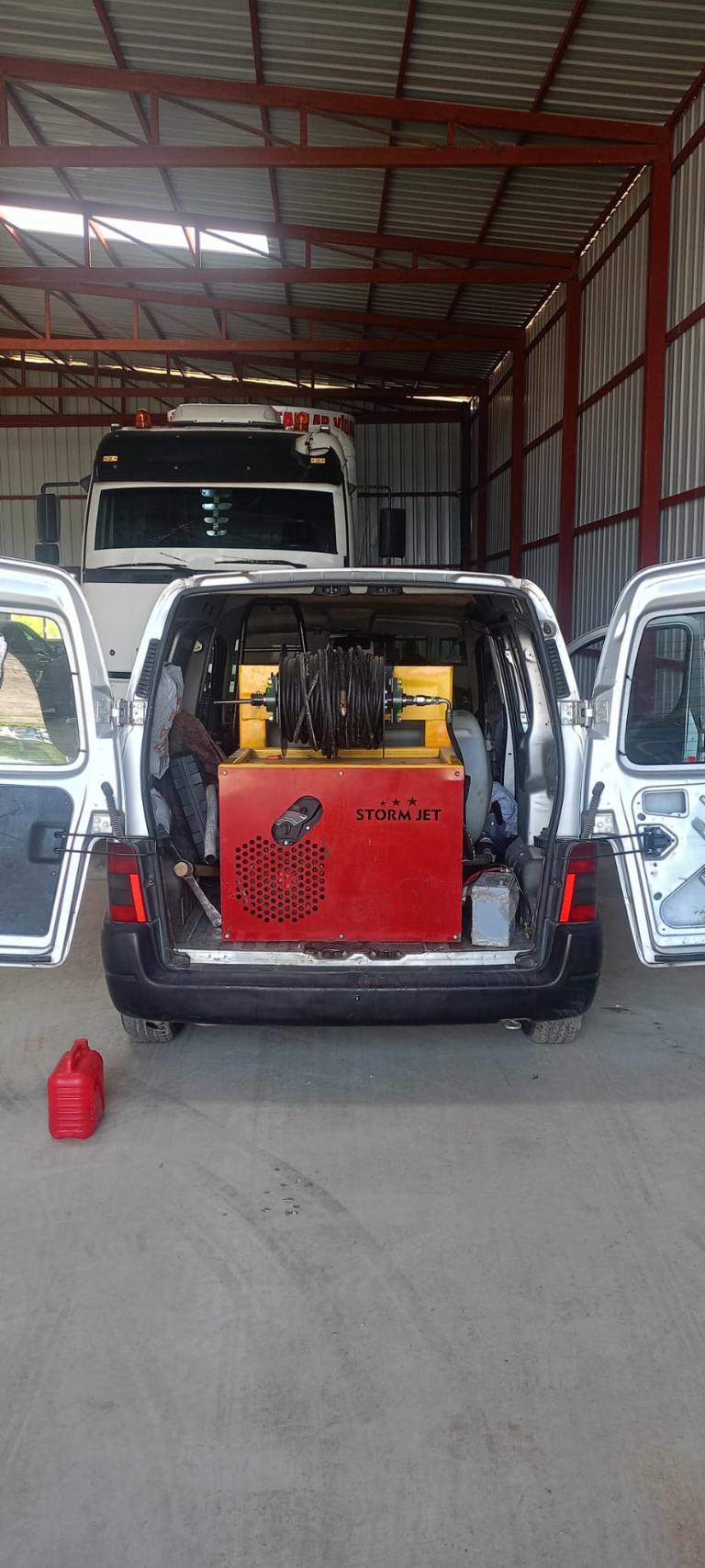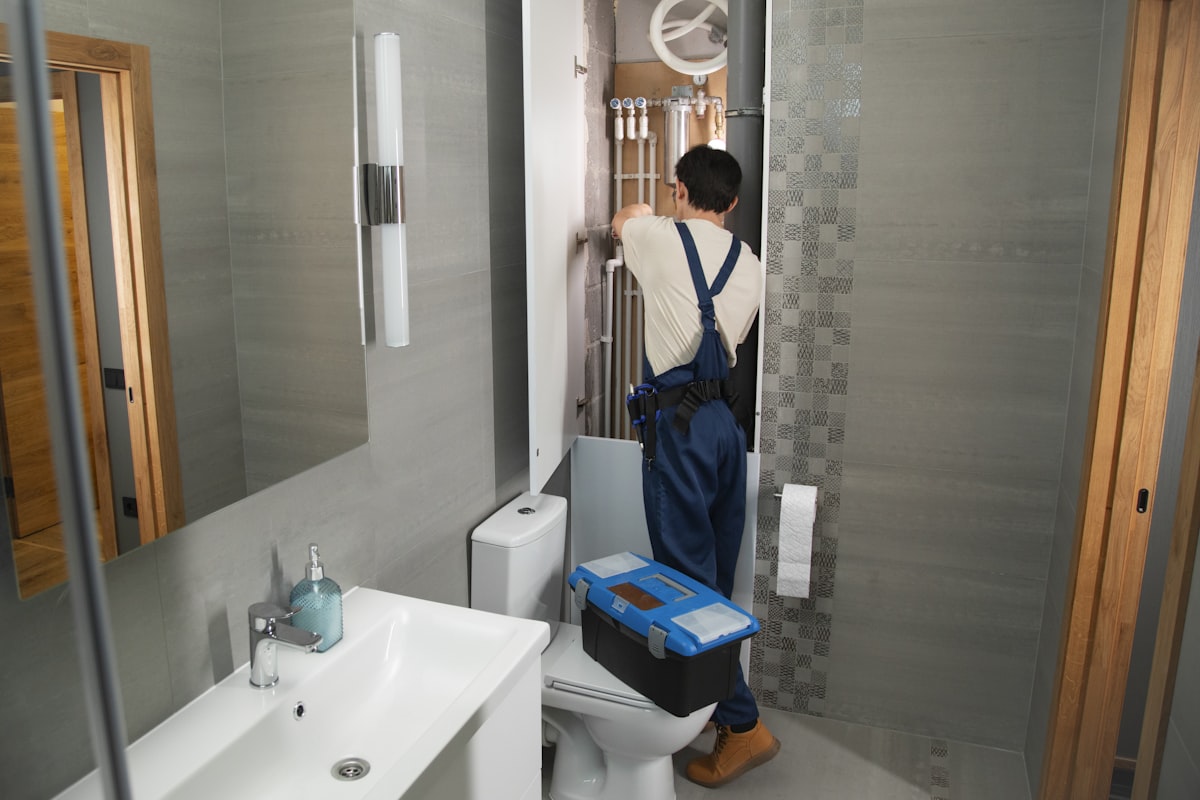
For sudden or recurring blockages, we assess the line on site and use a machine and head suited to the problem’s location and nature.
- On-site symptom assessment
- Appropriate equipment selection
- Advice to reduce recurrence
How can the location of a blockage be identified?
If only one drain is affected, the problem is usually in the trap or branch line near that fixture. If several drains slow together, water returns through another grate, or the inspection chamber level rises, the blockage may be farther along the shared sewer line.
It also matters which activity triggers the symptom. A backup while a washing machine or dishwasher empties may show that the line cannot handle a high flow rate. These details help avoid unnecessary work at unrelated points.
Why does the right method matter?
Blockages are not all alike. Grease layers, hair, foreign objects, and mineral deposits may require different equipment or heads. Too much force for the pipe diameter can damage connections, while an inadequate approach may create only a temporary opening.
A professional assessment considers the access point, pipe material, and likely buildup together. The surrounding area is protected, flow is tested with sufficient water after cleaning, and the observed condition is explained clearly.
- Determine whether the problem is local or shared
- Choose a method for the pipe material and diameter
- Aim for controlled, lasting flow rather than a temporary gap
When should you call for service?
Do not delay professional support if the water level rises quickly, wastewater backs up, chemicals have been used, or the same problem soon returns. Safety is especially important where an overflow could reach electrical appliances.
When requesting service, share which drains are affected, when the problem started, and what has already been tried. Always tell the team if a chemical product has been used.
Frequently asked questions
Can a blockage clear by itself?
Water may temporarily pass a partial buildup, but slow flow and backups can return while the cause remains in place. Recurring symptoms should be assessed.
What information should I provide before service?
The affected drains, where water backs up, how long the problem has lasted, methods already tried, and the full address all help with service planning.