Look for symptoms before looking at the calendar
Persistent odor, dampness, seepage, or increased insect activity around a cover may justify an inspection. Several indoor drains slowing together or wastewater returning at a lower point can also indicate that the chamber or a connected sewer line is filling. Assessment before an actual overflow makes both cleaning and protection of the surrounding area easier.
Before heavy rain, clear leaves and soil from outdoor grates and the safe area surrounding inspection chamber covers. Surface debris can cover drainage openings and slow the removal of rainwater. Never open a chamber merely to look inside: heavy covers, falls, traffic, contaminated wastewater, low oxygen, and hazardous gases all require professional controls.
Property use changes the maintenance interval
Grease load is a major factor in restaurants and food-production spaces. Occupant numbers matter in apartment blocks and residential complexes, while workshops may introduce production-related solids. A line with poor waste-management habits can need observation more frequently than a similarly sized line where oils and solids are properly separated.
Record each cleaning date and the fill level found on that visit. Over time, these details reveal a maintenance rhythm specific to the building. Managers can then plan around evidence instead of cleaning too often or waiting for an emergency. Changes in tenancy, business capacity, or seasonal activity should prompt the interval to be reviewed.
- Number of residents, units, and users
- Type of waste reaching the drain
- Frequency of previous blockages
- Rainfall and outdoor surface load
Why should safety be professional?
Inspection chamber covers can be extremely heavy, and unsuitable lifting methods can cause hand, back, or crush injuries. The chamber itself may contain too little oxygen or a dangerous concentration of sewer gas. No one should enter it without specialist confined-space procedures, equipment, and training, regardless of how shallow or familiar it appears.
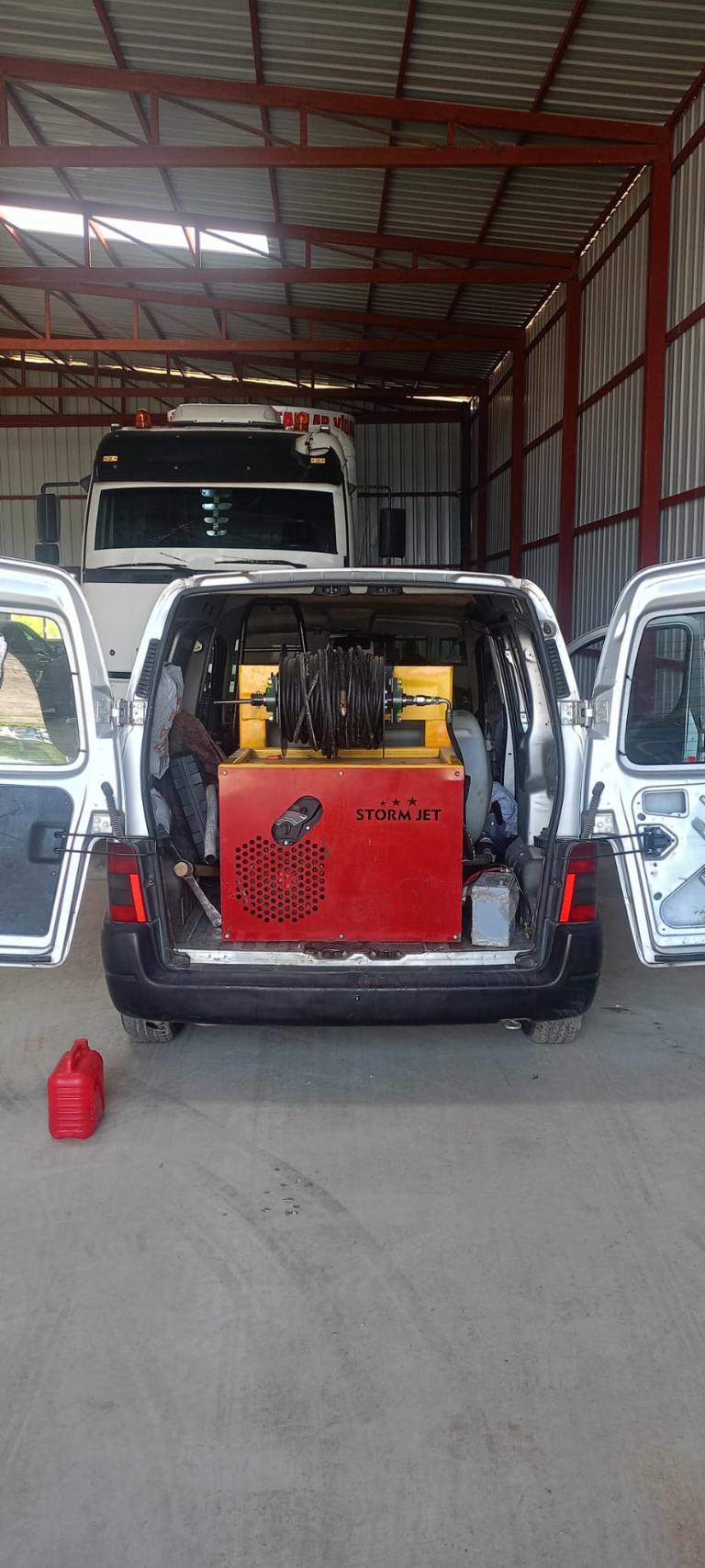
During professional cleaning, the area is isolated from pedestrians and vehicles, accumulated material is removed in a controlled way, and connected inlet and outlet lines are tested. Waste from the work is collected rather than left beside the cover. Finally, the cover is seated securely so that it does not create a trip or traffic hazard.
How should maintenance records be kept?
An apartment manager or business can use a simple log to record the inspection date, observed fill level, reports of odor or slow flow, and the work performed. Problems recurring in the same season or location make the relationship between occupancy, weather, and maintenance needs visible. The log can also note changes in waste-handling practices.
Reliable records help a service team understand earlier interventions and focus on the correct section instead of repeating unnecessary work. Information remains available when building management changes. Photographs should be taken only from a safe surrounding area, with the cover closed and no approach to the chamber opening. Safety is more important than documenting the interior.