Household waste and everyday habits
Cooking oil may look liquid when it enters a kitchen drain, but it cools and adheres to the inside of the pipe. Food particles and detergent residue stick to that layer, gradually reducing the space available for wastewater. In toilet lines, wet wipes, hygiene products, and thick wads of paper may lodge at bends and joints because they do not break apart readily in water.
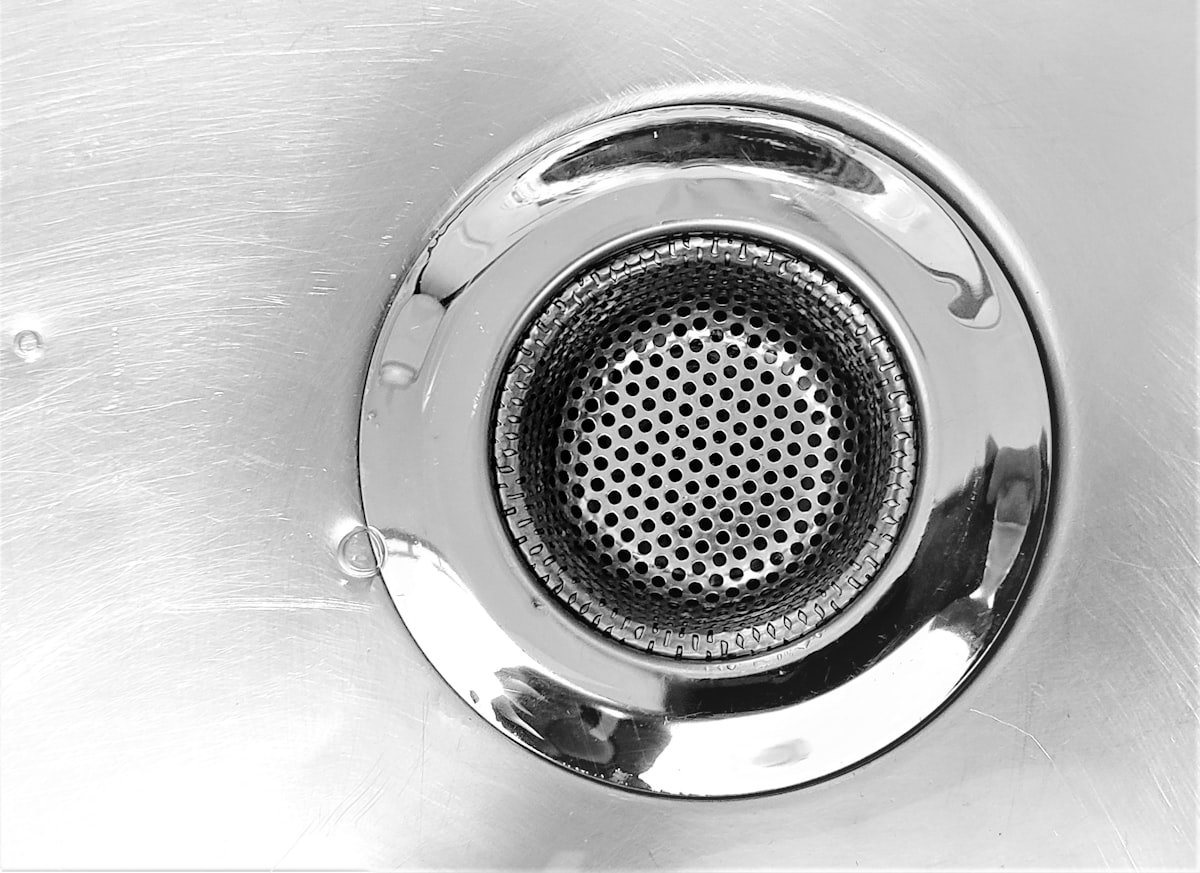
Hair and soap residue form a similar mesh in bathroom drains and trap smaller particles passing through. What residents put down a drain directly affects how quickly a blockage develops. Using drain strainers, scraping plates before washing, and collecting cooking oil separately are simple but effective preventive steps for Antalya homes and businesses.
- Cooking fats and oils that cool into layers
- Wet wipes and hygiene products that do not dissolve
- Hair, soap, and personal-care residue
- Mortar, paint, and large solid waste
Pipe design and environmental factors
An inadequate gradient prevents water and solids from traveling at the necessary speed. Sharp bends, poor connections, and pipes that have shifted over time can create collection points. The roughened inner surface of an older line also gives waste more places to catch, so repeated cleaning may indicate a physical issue rather than usage alone.
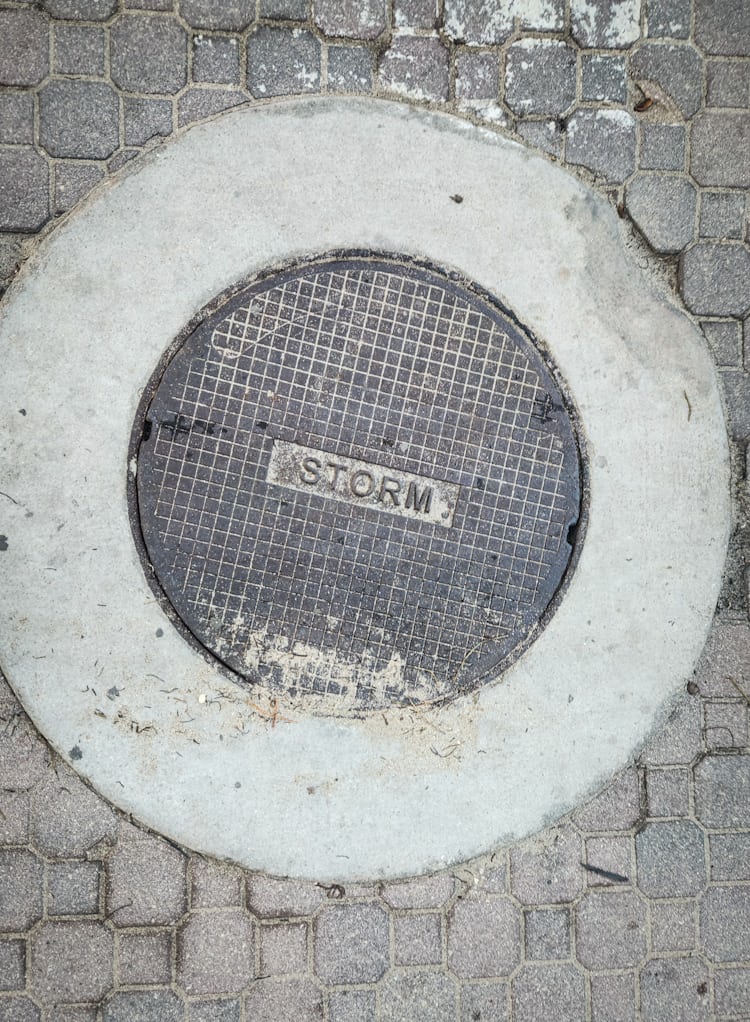
Leaves, soil, and small stones entering outdoor storm drains can cause seasonal blockages, particularly around Antalya’s periods of intense rain. Tree roots may seek moisture through an existing crack or gap at a joint and gradually restrict flow. When the cause is structural, opening the accumulated waste may restore flow temporarily but will not necessarily correct the underlying defect.
How to read the early warning signs
A drain emptying more slowly than before, gurgling during use, intermittent odors, and backups under high flow are early warnings. If several fixtures are affected at once, the problem is more likely to be in a shared branch or main sewer line than directly beneath one sink.
Reduce water use when symptoms appear and note exactly which fixtures are affected. This information helps a technician locate the likely section efficiently. An overflow, wastewater returning through a floor drain, or a blockage that repeatedly comes back calls for prompt professional assessment rather than further household experimentation.
Precautions while waiting for service
Do not use sinks, toilets, washing machines, or dishwashers connected to the affected line. Move belongings away from any grate where water has appeared. If wastewater could reach sockets or appliances, keep the area secure and avoid electrical hazards. Where an inspection chamber is overflowing, prevent children and pets from approaching contaminated water.
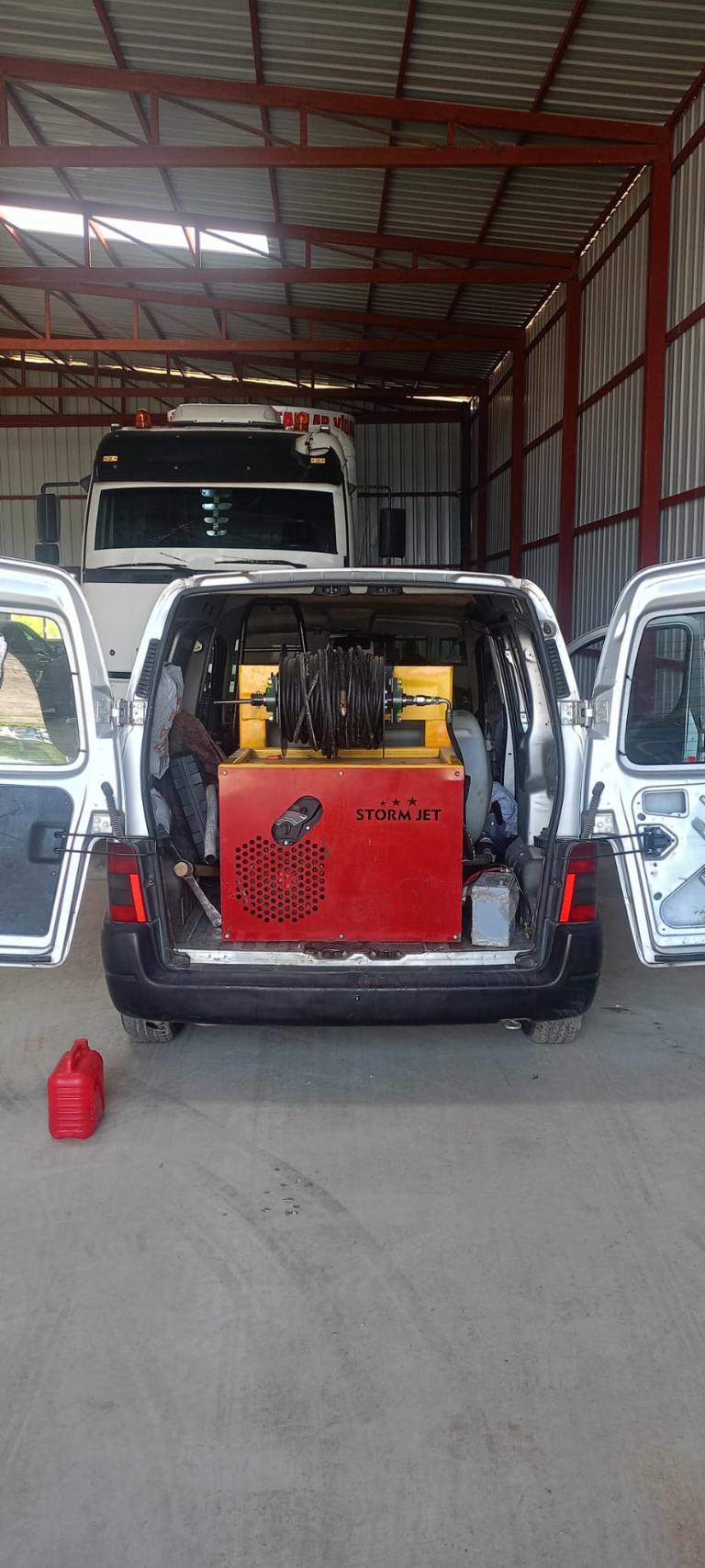
Tell the service team when the problem began, which drains are affected, and whether any chemical has been poured into the line. This allows safer preparation. Avoid pushing wire, rods, or compressed air into the drain: an improvised attempt can drive a foreign object deeper, harm a connection, or expose the person carrying out the later mechanical cleaning to hidden chemical residue.