The main risks of chemical products
Products containing strong acids or alkalis can burn skin and eyes. Heat released during a reaction may affect plastic fittings, seals, or already weakened sections of pipe. If the product cannot pass the blockage, a concentrated chemical liquid remains trapped in the drain. Anyone opening a trap or applying mechanical equipment later may then be exposed without realizing it.
Bleach, hydrochloric-acid cleaners, and commercial drain openers must never be mixed. Their reaction can release dangerous gas, even when each product seems familiar on its own. Label instructions concerning ventilation, dosage, protective gloves, and eye protection are safety requirements, not optional suggestions. Keep every product away from children and pets.
Which blockages will chemicals not solve?
Wet wipes, toys, cloth, metal objects, and heavy mineral deposits do not disappear when exposed to a drain-opening liquid. Pouring a product into a sink is also unlikely to reach a broad blockage far along the property’s main sewer line at an effective concentration. A structural defect, collapsed pipe, or displaced connection cannot be repaired chemically.
When a drain is fully closed, the product is likely to pool above the blockage instead of reaching all sides of the material. If water is backing up or several fixtures are affected, stop using the connected plumbing. Mechanical drain cleaning by an informed technician is generally safer than repeatedly adding more product to standing wastewater.
- Never mix different chemicals
- Do not repeatedly add product to a fully blocked drain
- Always tell the service team which product was used
What is the safer approach?
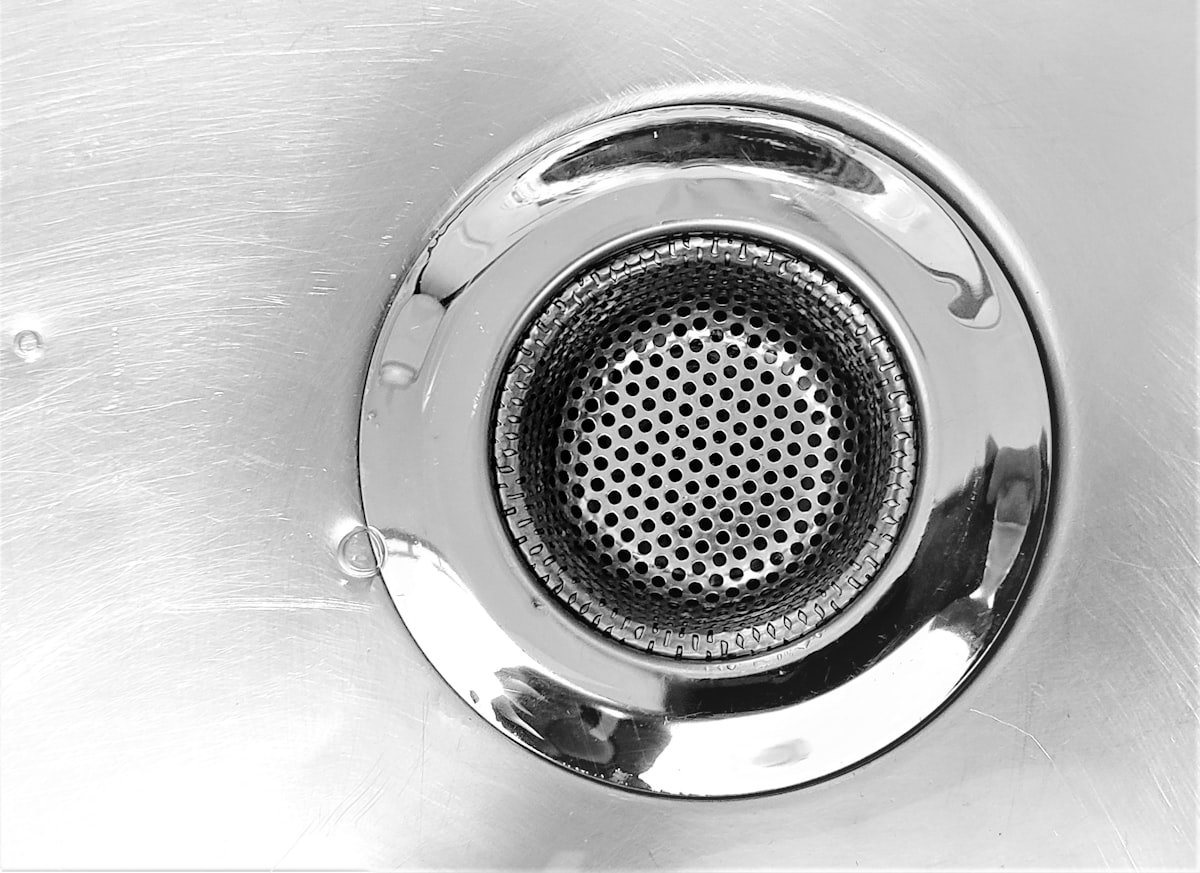
Visible material can be lifted from a strainer while wearing gloves. Someone familiar with the installation may carefully inspect an accessible sink trap, and a suitable plunger can be tried without excessive force. Boiling water should not be used indiscriminately because it can damage PVC plumbing and seals, while grease may simply move and harden farther down the line.
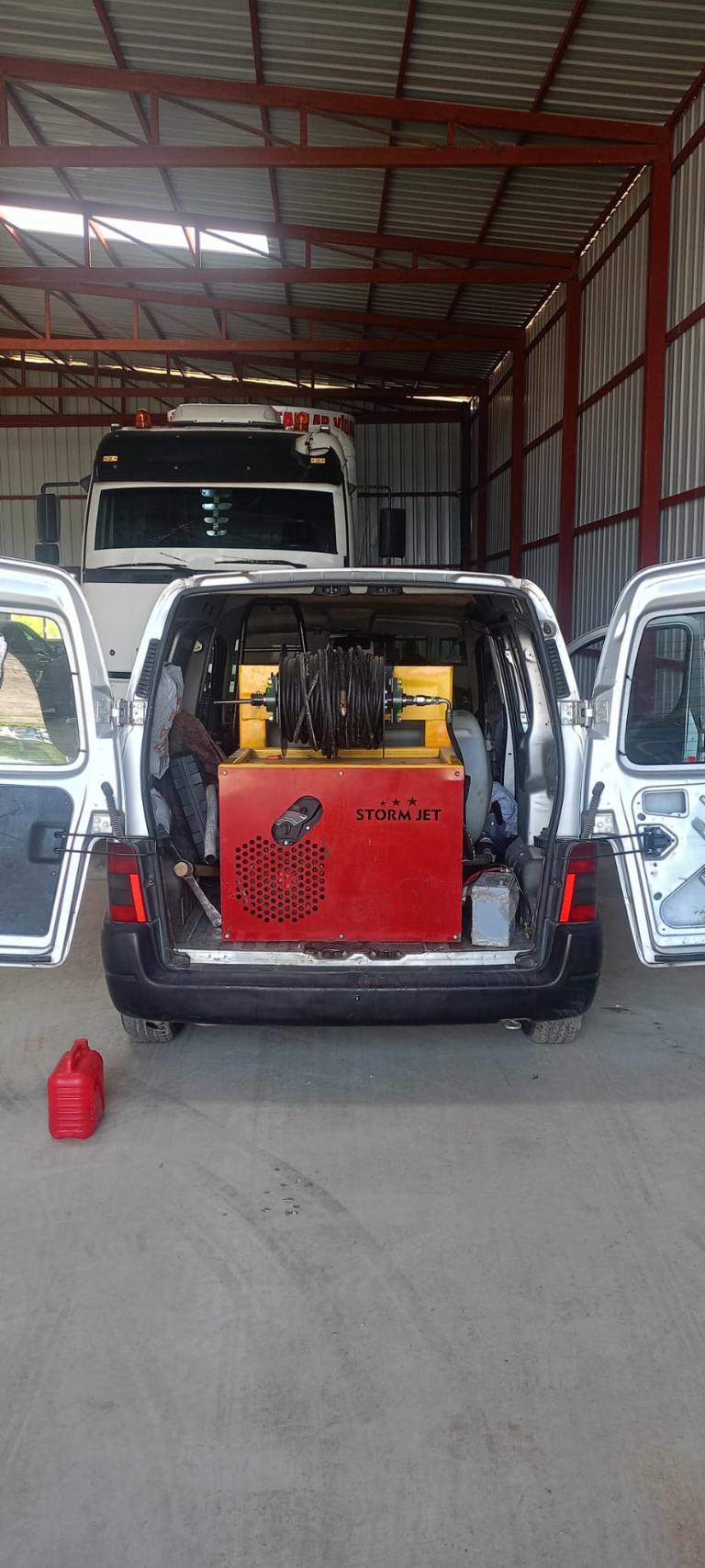
If these straightforward measures fail, mechanical equipment can physically reach and remove the buildup. The technician selects a head and machine for the pipe and fixture rather than relying on a generic chemical reaction. Knowing that chemicals were previously used allows the team to plan splash protection, ventilation, and waste handling before opening the line.
What should you do before service if chemicals were used?
Do not add water or another cleaning product to the drain. Keep the original packaging and clearly tell the service team the product name, approximate amount, and application time. Ventilate the room as directed on the label, and keep children and pets away from the work area. Do not lean over the drain to check it.
If a splash reaches skin or eyes, follow the label’s first-aid directions and seek medical advice when necessary. Chemical liquid inside a pipe means mechanical work requires suitable protective equipment and careful handling. Never conceal this information: accurate details protect your household and the technician, and help the Antalya drain service arrive properly prepared.