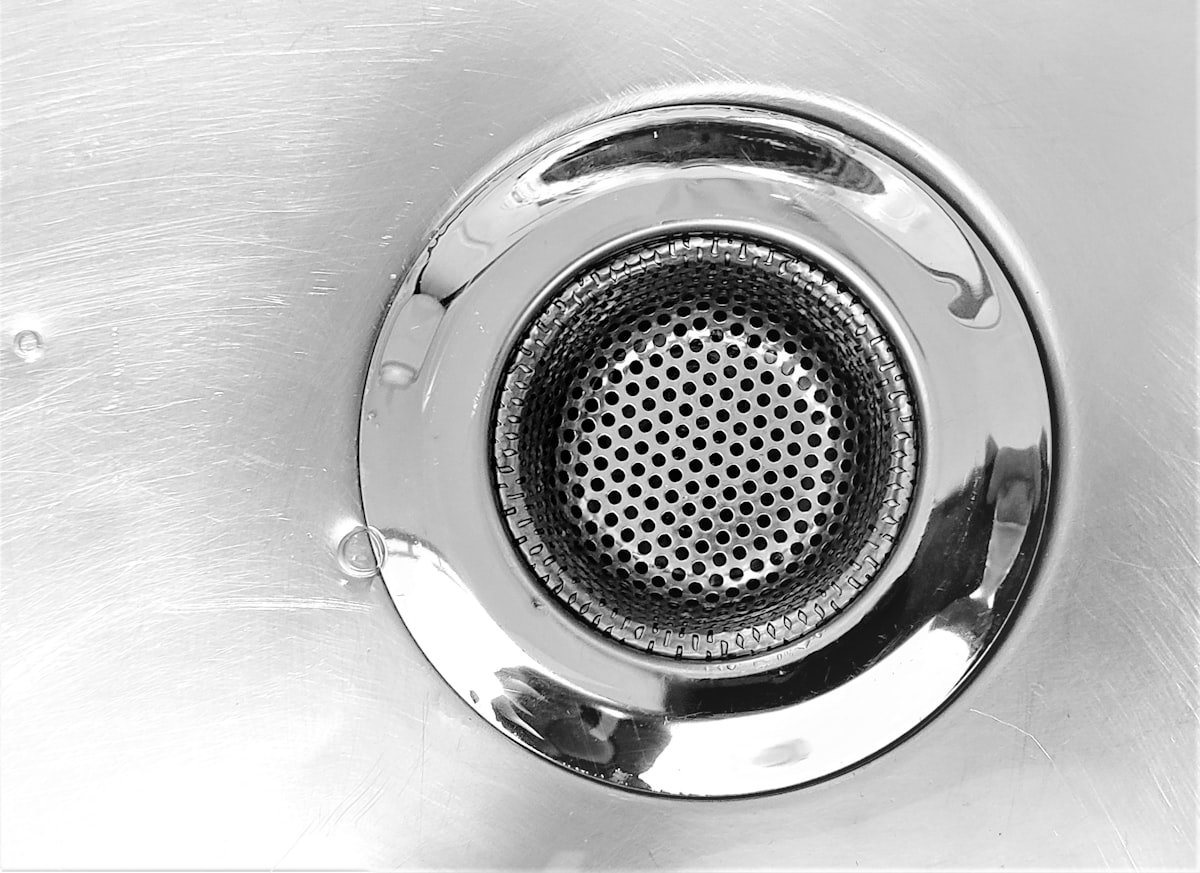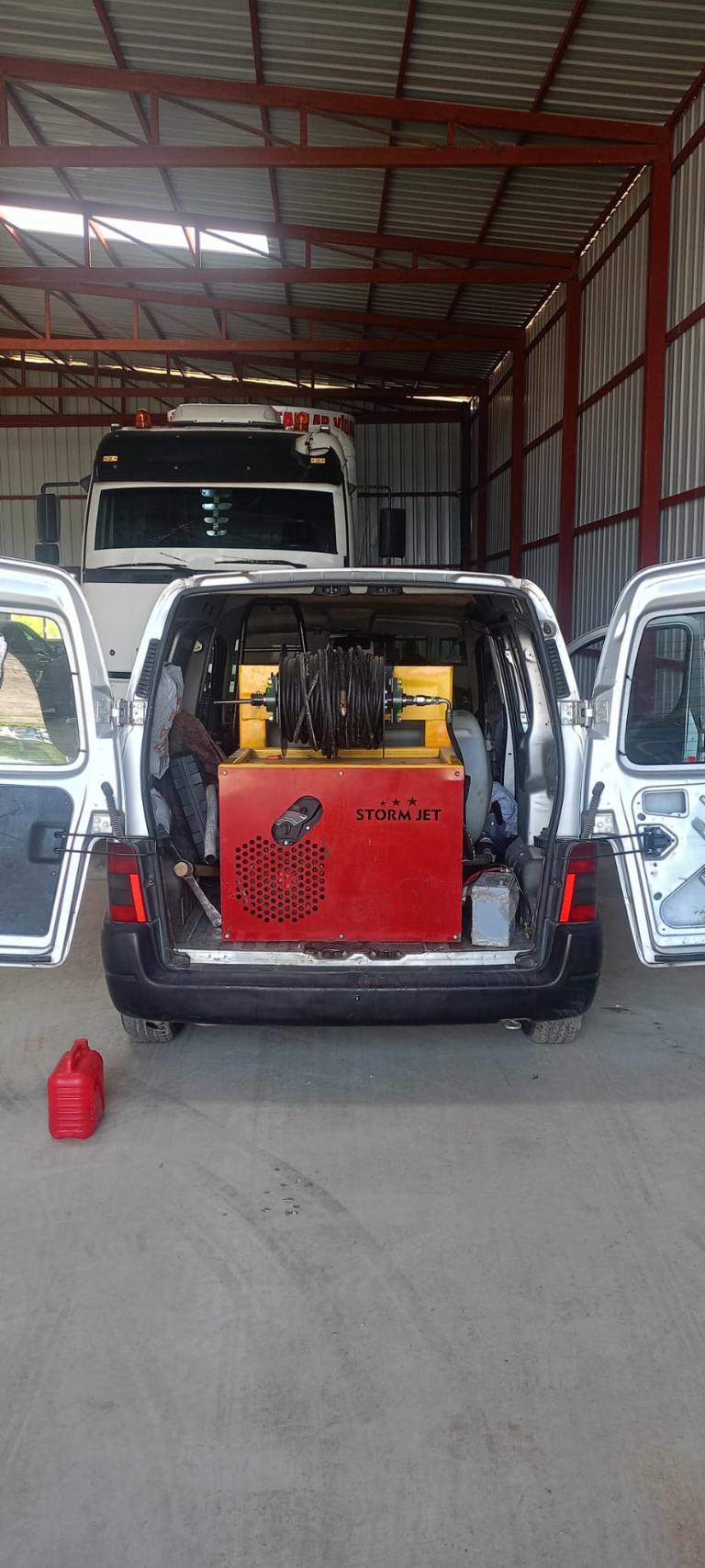
We assess slow flow, backups, and unpleasant odors in main sewer lines and shared drains, then restore flow with mechanical equipment suited to the pipe.
- Main sewer lines and shared drains
- Pipe-appropriate mechanical service
- Post-service flow check
What are the signs of a blocked sewer line?
Several drains slowing at the same time, water rising through lower-floor grates, or an inspection chamber filling faster than normal may indicate a problem in the main line. A single slow sink usually points to buildup near that fixture, while simultaneous symptoms throughout a property call for an assessment of the shared sewer line.
An unpleasant odor alone does not prove there is a blockage. A dry trap, inadequate venting, or a faulty connection can also cause odors. Before starting work, we therefore consider where the symptoms began, how long they have continued, and which drains are affected.
How does professional sewer line unblocking work?
First, we identify how the line is used, its access points, and the symptoms being experienced. We then select a drain snake, suitable cutting head, or high-pressure water method according to the likely blockage location and pipe diameter. The goal is not merely to open a temporary path for water, but to remove the buildup restricting flow in a controlled way.
After the service, we run enough water through the line to observe its flow. If backups, unusual sounds, or slow drainage continue, the situation is reassessed. Protecting the work area and collecting removed waste neatly are also important parts of the service.
- Identify the symptoms and affected drains
- Select equipment suitable for the pipe diameter
- Controlled unblocking and flow testing
How can recurring sewer problems be reduced?
Cooking oil, wet wipes, hygiene products, mortar, and large food scraps should never enter the sewer system. In heavily used apartment buildings and residential complexes, periodically observing inspection chamber levels can reveal a minor slowdown before it develops into an overflow.
If the same point blocks repeatedly within short intervals, the pipe gradient, connections, and usage habits should be assessed together rather than simply repeating the unblocking process. If a structural fault is suspected, a qualified plumbing specialist should carry out a detailed inspection.
Frequently asked questions
How long does sewer line unblocking take?
The time depends on the blockage location, line length, available access, and type of buildup. Rather than promise an exact duration beforehand, we assess the line on site and then explain the service plan.
Does the floor need to be broken to unblock a sewer line?
When a suitable cleanout or inspection chamber is available, our first choice is mechanical, non-destructive access. Additional plumbing work may be necessary if a collapsed pipe or structural damage is suspected.