We clear buildup in toilet, kitchen, and bathroom drains with a method suited to the line, limit overflow risk, and leave the work area clean.
- Toilets, sinks, and floor drains
- Controlled, careful workmanship
- Drain flow testing
Why do sinks and toilets become blocked?
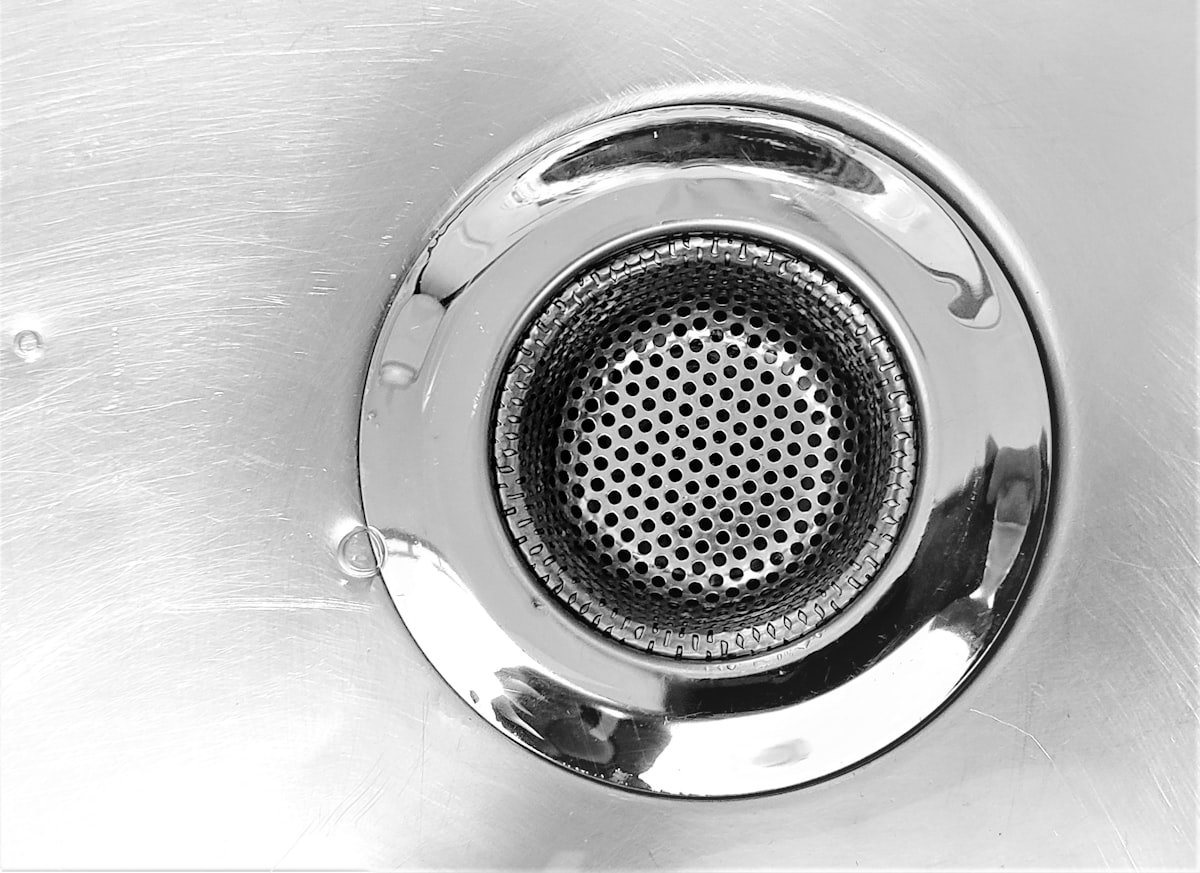
In kitchen sinks, grease cools and adheres to pipe walls; food particles and detergent residue then narrow the opening over time. Hair, soap, and personal-care residue are common in bathroom sinks. In toilet lines, wet wipes, wads of tissue, and foreign objects that do not break down in water are among the most frequent causes.
A drain that first slows and then stops usually indicates gradual buildup. A sudden, complete blockage is more likely to involve a foreign object. The way the problem developed helps determine both the right equipment and the best access point.
Which steps can be tried safely at home?
If there is an overflow risk, stop using water first. Visible debris can be removed from a sink strainer with gloves, and a suitable plunger may be used carefully. If a foreign object is visible in the toilet, remove it without pushing it farther into the trap.
Mixing chemicals, pouring boiling water into plastic plumbing, or forcing a rigid object down a pipe can harm both your health and the installation. If a simple measure does not work, professional assistance is safer than repeated attempts.
- Stop water use and control the overflow risk
- Remove visible debris safely
- Never mix chemical products
What does mechanical drain cleaning provide?
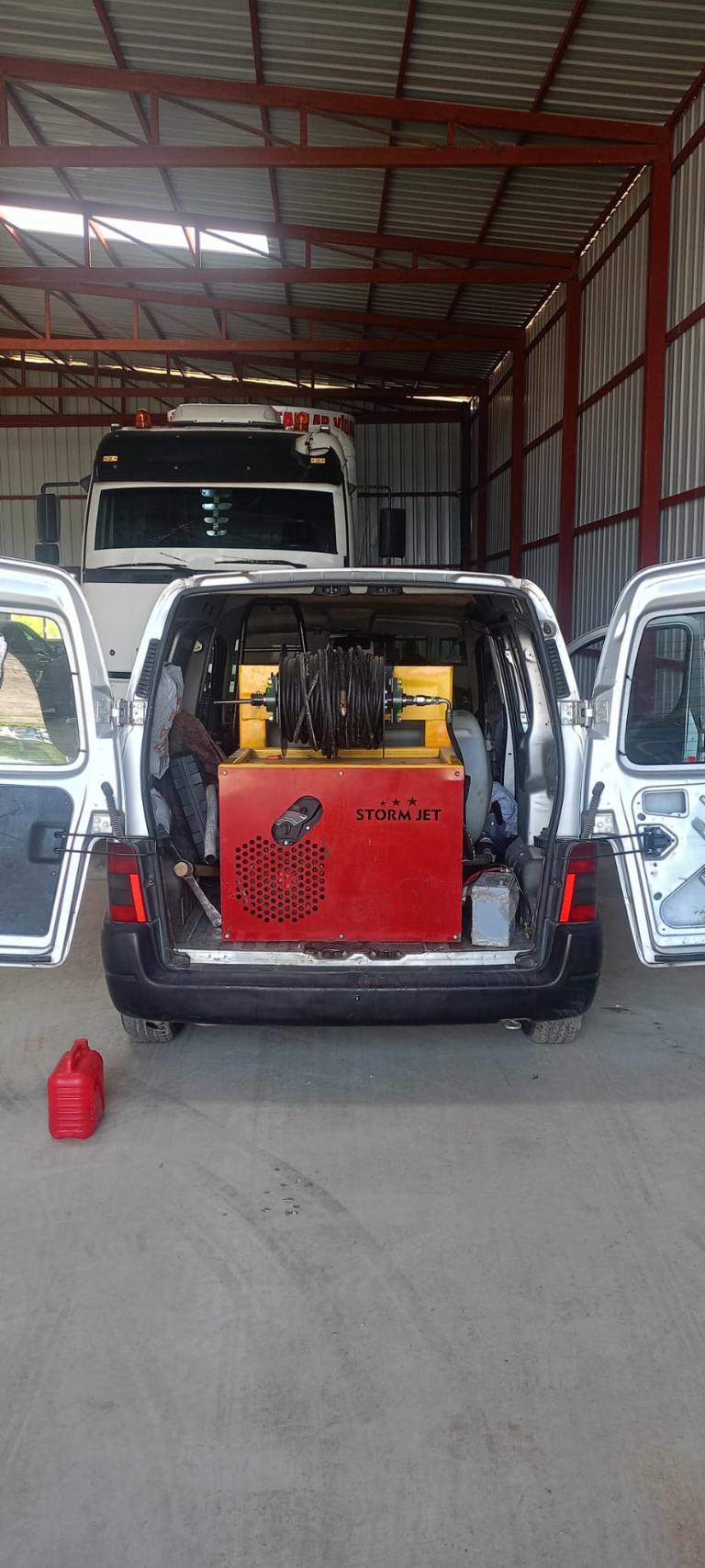
A drain snake with the appropriate head moves through the drain to break up buildup or retrieve a foreign object in a controlled manner. Equipment is selected for the toilet, sink, or floor-drain connection; the same head and power are not appropriate for every line.
At the end of the work, the drain is tested gradually with water. We check that normal flow has returned, connections do not leak, and nearby drains do not back up. We also explain the likely cause and practical habits that can reduce recurrence.
Frequently asked questions
Is it safe to use a chemical drain opener?
Heavy chemical use is not recommended unless the label directions and compatibility with the plumbing are known. Products must never be mixed, and the risks of splashing, toxic gas, and pipe damage should be considered.
Should I flush again when the toilet is blocked?
If the water level is rising, flushing again may cause an overflow. Stop using the toilet, check for a visible foreign object, and request service if necessary.