Shared-line demand in densely populated areas
In apartment-heavy parts of Muratpaşa, Kepez, and Konyaaltı, many homes use the same vertical stacks and horizontal sewer lines. Poor drain habits in one unit can contribute to buildup in a shared section. Building managers should record recurring reports with dates, floors, and locations so that a pattern can be distinguished from an isolated sink problem.
Ground-floor grates and the building inspection chamber may provide the earliest signs of a shared-line restriction. Access to these points should remain clear, and unusual odor, moisture, gurgling, or backups should be reported early. Residents should also know which fixtures to stop using when wastewater begins to return at a lower level.
Outdoor areas and the effect of rainfall
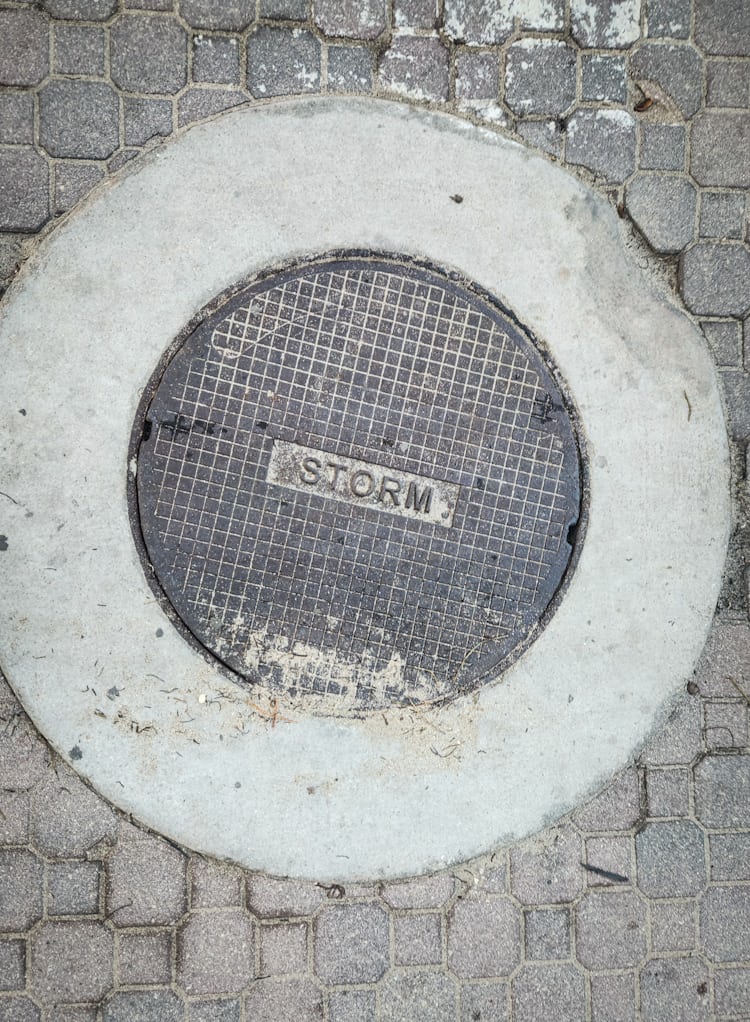
Leaves, soil, small stones, and roots can be more significant around homes with gardens in districts such as Döşemealtı and Aksu. Regularly clearing stormwater grates reduces the surface waste carried toward underground drainage. Tree roots should never be assumed to be the cause without evidence, but recurring trouble near mature planting deserves professional assessment.
Intense rain after a long dry period can wash months of accumulated surface debris into drains within a short time. Visual checks before autumn and winter are therefore valuable. Keep inspection chamber covers accessible, but do not open them yourself. Report any movement, cracking, seepage, or obstruction around a cover to the appropriate specialist.
- Record signs of shared-drain problems in apartment buildings
- Keep outdoor grates clear of leaves and soil
- Check the area around chamber covers before heavy rain
A usage-based plan for businesses
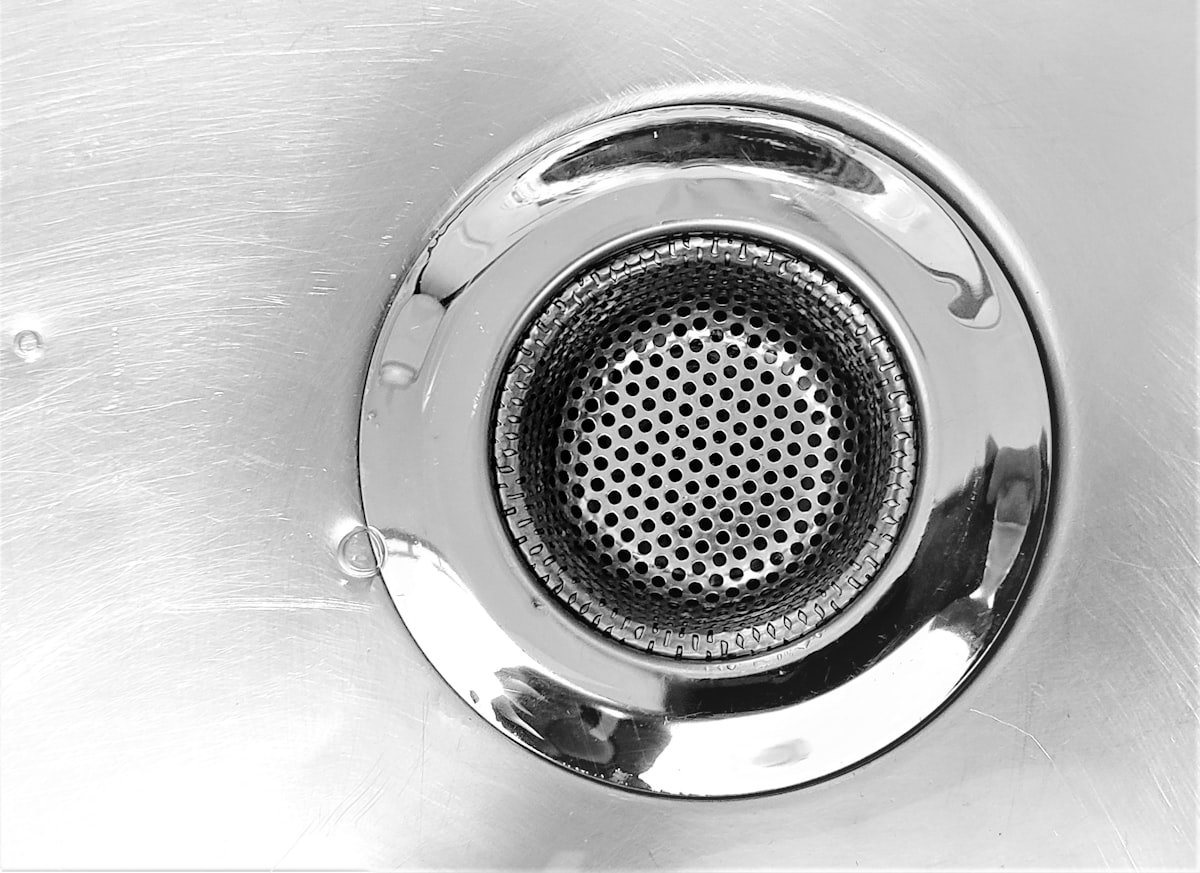
Peak tourism and dining seasons increase the wastewater load from Antalya hotels, restaurants, cafés, and other businesses. Collecting kitchen oil separately, cleaning strainers at the end of each shift, and recording slow-flow reports can prevent residue from becoming an unexpected service interruption. Staff should know that wet wipes and hygiene items never belong in toilets.
A maintenance interval should reflect operating capacity and past issues, not just a generic calendar. A pre-season assessment may reduce the likelihood of emergency work during the busiest weeks. Records also show whether better grease and solid-waste management extends the interval between cleaning visits, providing a practical basis for future planning.
Information that helps speed up a service visit
Provide the district and neighborhood along with the building type, affected floor, problem drains, and the point where wastewater returns. For a residential complex or business, prepare the responsible person’s contact details and the location of the inspection chamber or cleanout. State whether chemicals have been used so the team can plan protective measures.
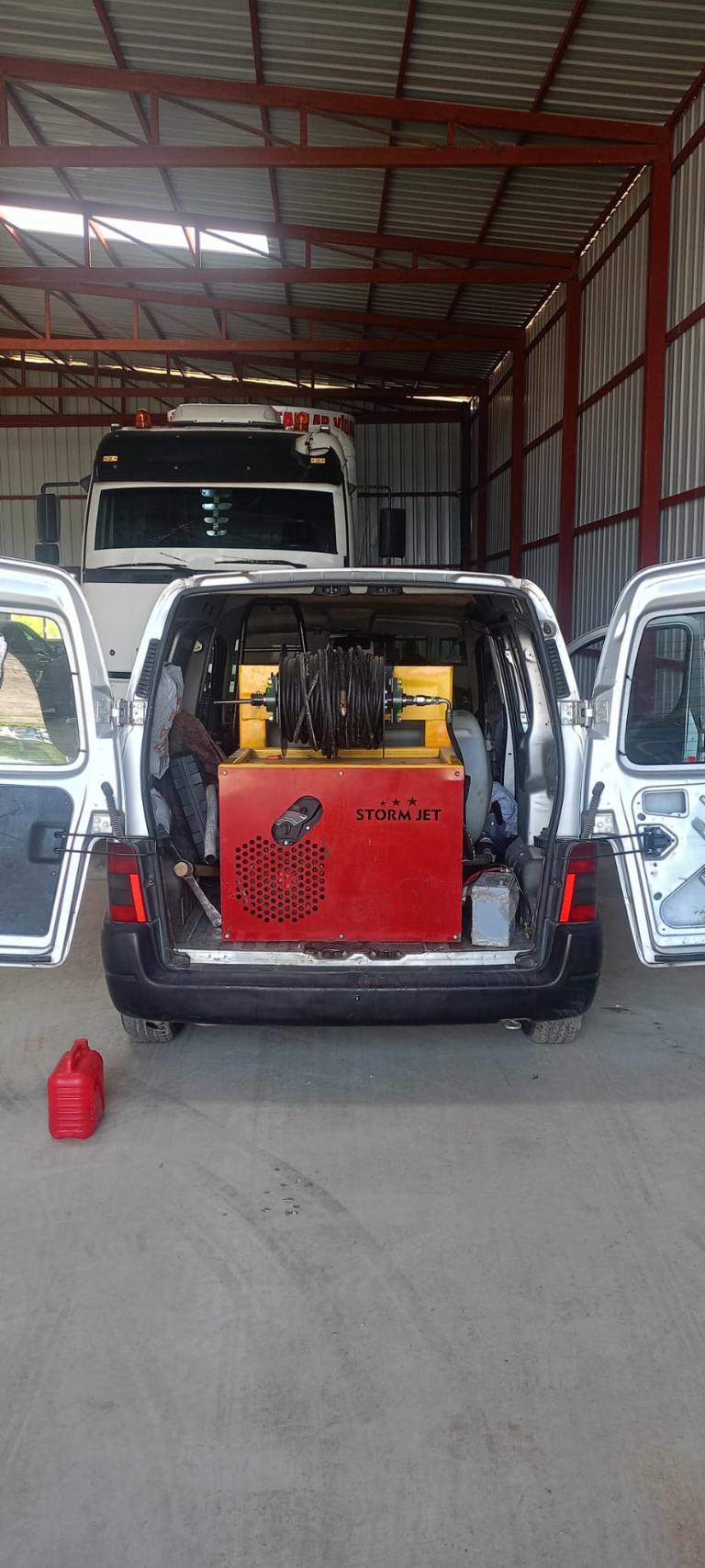
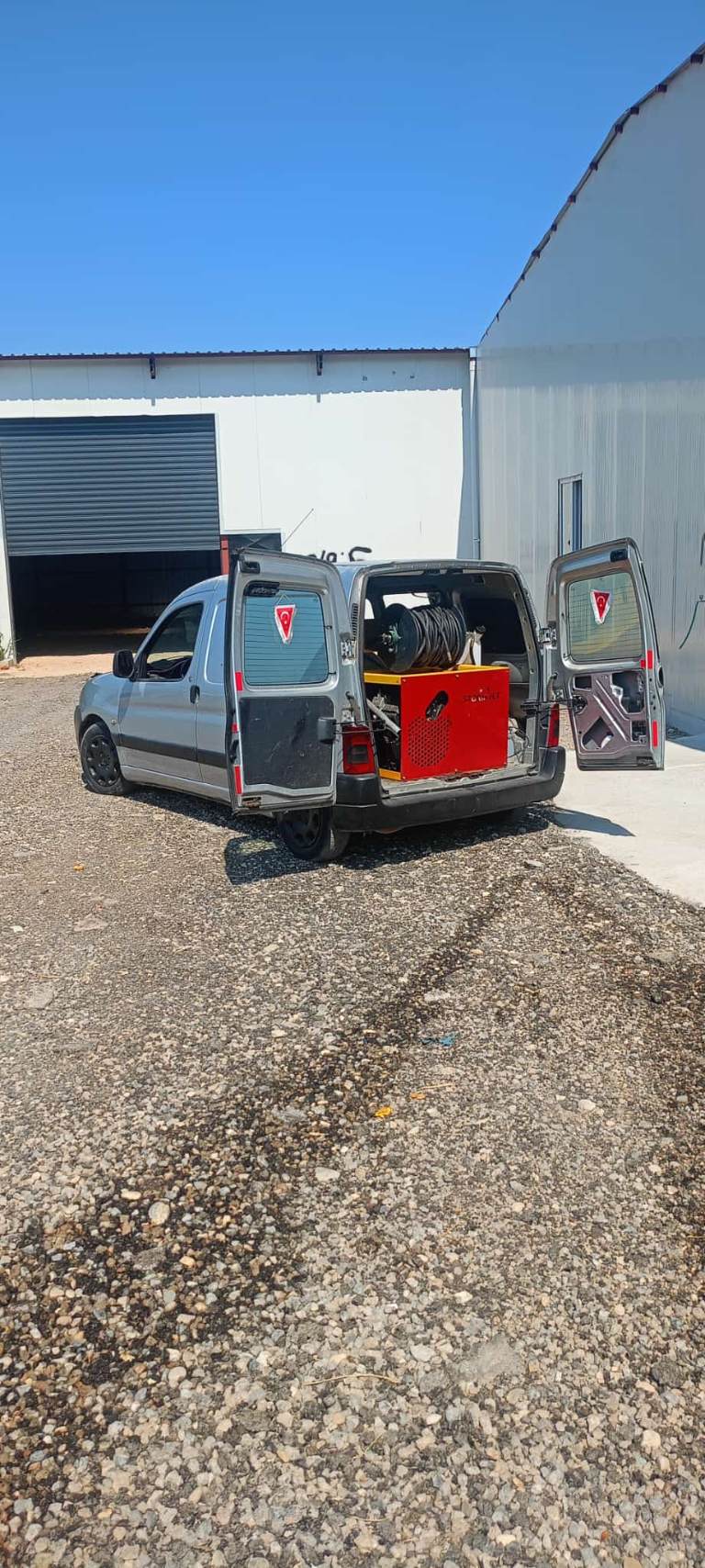
Mention heavy traffic, a restricted parking entrance, height limits, or any other condition affecting service-vehicle access. Accurate location and symptom details help the team prepare suitable equipment before traveling across Antalya. The final cleaning method, however, should be selected only after the line and safe access points have been assessed on site.