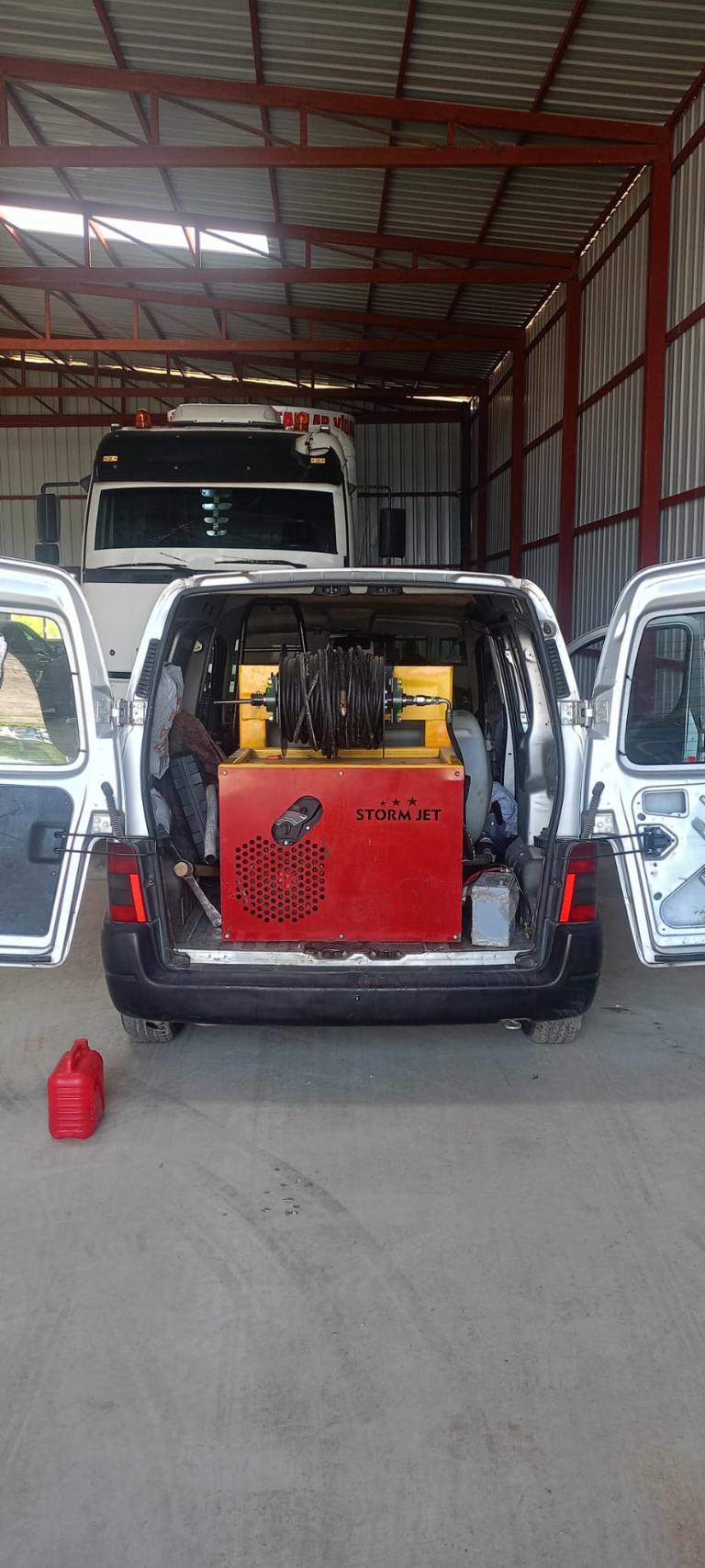
The nozzle and pressure work together
Rear-facing openings in the nozzle propel the hose through the line and carry loosened material toward a suitable outlet. Forward- or side-facing jets can help break and lift buildup according to its form. Because a penetrating nozzle and a wall-cleaning nozzle perform different jobs, no single nozzle is appropriate for every sewer-cleaning task.
Higher pressure does not automatically mean a better result. Pipe material, diameter, age, joints, and known damage must all be considered. A controlled travel speed prevents unnecessary force from remaining on one section of pipe. Older or suspect lines require careful assessment before pressure and flow are selected.
Water jetting compared with a drain snake
A drain snake advances mechanically and uses a suitable head at a specific obstruction. Water jetting relies on water to transport loosened waste and wash the pipe surface. Some lines benefit from a planned combination: a mechanical opening may first establish flow, followed by water jetting to remove softer residue distributed farther along the line.
Jetting may be inappropriate where a solid foreign object, collapsed pipe, hard construction material, or faulty structural connection is involved. Excessive pressure cannot repair damage and may make a weak line worse. Method selection should follow the observed symptoms and physical condition, not a preference for one machine.
- Surface cleaning for grease and soft sediment
- Transporting loosened residue through long lines
- Pressure and nozzle selection suited to the pipe
How is cleaning verified?
After jetting, water is introduced at different flow rates while the line is observed. It should move continuously without collecting at the outlet, returning through nearby grates, or producing unusual sounds. An inspection chamber or designated discharge point also allows the team to confirm that removed material has traveled out rather than settling in another section.
For commercial kitchens, technical cleaning alone will not prevent new buildup if waste-oil management and regular observation stop. Oil should be collected separately, strainers and grease-control equipment should be maintained, and changes in drainage speed should be reported early. Good operating habits protect the result and reduce unexpected downtime.
What information is assessed before jetting?
The approximate line length, pipe diameter, access-cover location, and outlet are identified. The team also asks about any previous collapse, crack, leak, or connection problem. This information provides a starting point for hose length, nozzle design, water volume, and a safe operating pressure, although on-site conditions remain decisive.
There must be a controlled place for water and removed material to be collected. Overflow risks in basements or enclosed spaces need separate planning, and nearby electrical equipment must be protected. If safe access or a suitable outlet is unavailable, an alternative mechanical drain-cleaning method should be considered before water jetting begins.